User Behavior Analysis: Event Modeling and Path Analysis in Practice
Behavior is a time-ordered event sequence, not aggregate counts. Covers event field specs, four analysis views, and bottleneck locating by relative performance.

Behavior is a time-ordered event sequence, not aggregate counts. Covers event field specs, four analysis views, and bottleneck locating by relative performance.
Search is only data-driven if tracking is right: four must-collect events, timing, dedup, zero-result and rewrite tracking, and log-to-dashboard flows.

Search-recommendation systems win on feedback, not models. We cover signal weights, bias correction, three update cadences, and a flywheel health check.

Build a tagging system in order: unify IDs, layer factual, statistical and model tags with time decay and lifecycle governance, deploy and verify impact.

Filter bubbles come from a three-way loop, not algorithms alone. Five fixes: hybrid recall, diversity re-ranking, exploration, user control, and monitoring.

How to design a membership program? Set the goal first, then structure: points drive behavior, tiers segment users, benefits deliver value, each owning one job.

Score recency, frequency and monetary value to build eight RFM segments, pair each with a lifecycle-stage play, and dodge four common segmentation pitfalls.

Build a private-domain repeat purchase engine in 90 days: hard cost data, three costly myths, a five-step SOP, layered tags and a Reusable 90-day case study.

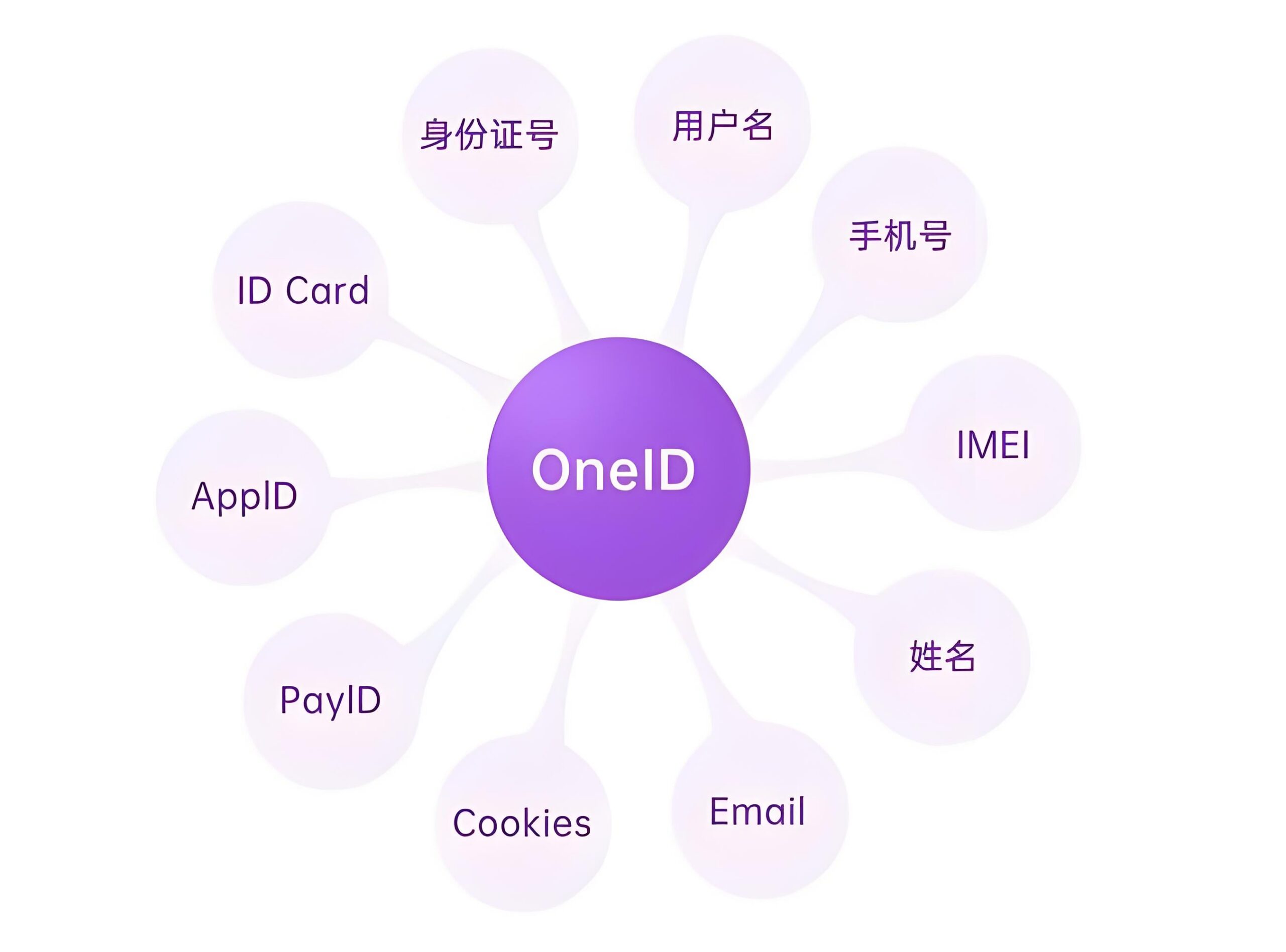
OneID turns devices, accounts and contact points into nodes and verified links into edges, then merges them with union-find. See the tables and privacy rules.

A practical guide to designing an ecommerce user tag system: a three-tier structure, 72 tags across six domains, scoring rules, refresh cadence, and governance.